


From Copilot Studio to Enterprise AI: When Low-Code Stops Fitting in isolation
Watch the webinar on demand
Simply fill in the form and “Watch the Webinar”
Organisations don’t jump straight to AI transformation, they evolve.
In this final session of our Copilot Webinar Series, we explore what happens when your requirements move beyond Copilot Studio and what it really takes to scale AI safely across the enterprise.
You’ve seen how to build and deploy governed agents. Now, the question becomes:
What happens when your use cases demand more control, more power, and more responsibility?
What you’ll learn
- When Copilot Studio is no longer enough and how to recognise the tipping point
- The difference between low-code agents and enterprise-scale AI systems
- How Microsoft Foundry enables greater flexibility with models, data, and architecture
- How to design multi-agent and orchestration patterns for complex workflows
- The security, governance, and operational controls required to scale safely
- Common pitfalls organisations face when moving into enterprise AI
Meet the Speakers...
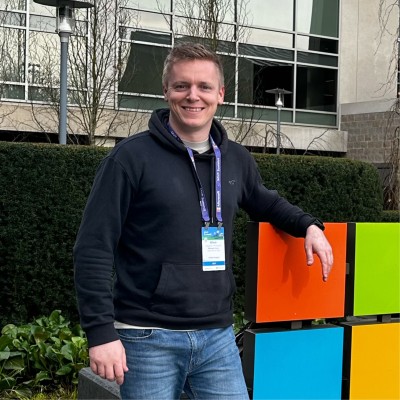
Elliott Leighton-Woodruff
Enterprise Architect at ANS
Elliott Leighton-Woodruff is an Enterprise Architect at ANS and a Microsoft MVP for Azure, specialising in cloud, platform, and AI adoption. He works with organisations of all sizes to design and deliver Azure architectures that align technology with business outcomes. Elliott focuses on simplifying complex challenges, helping teams automate processes, integrate practical AI solutions, and build scalable, secure platforms that drive real value.

Jason Earnshaw
Practice Lead: Low code at ANS
With over a decade of experience in Power Platform solutions, Jason is an ANS Low Code Manager passionate about helping organisations build a low-code ecosystem to empower their people to modernise how they work. As a previous Principal Architect at ANS and a Customer Success / Digital Execution Manager at Mendix, Jason strongly focuses on Low Code delivery, transformation execution and adoption, working alongside some of the largest companies and understanding what it takes to succeed with Low Code.